
01
Brief
Product goal, target user, constraints, files and business target.
The process is built around the steps your product must pass: validate the brief, design the product, prototype the right questions and prepare for manufacturing.

A milestone-based workflow keeps your team, designers, engineers and suppliers aligned.
Product goal, target user, constraints, files and business target.
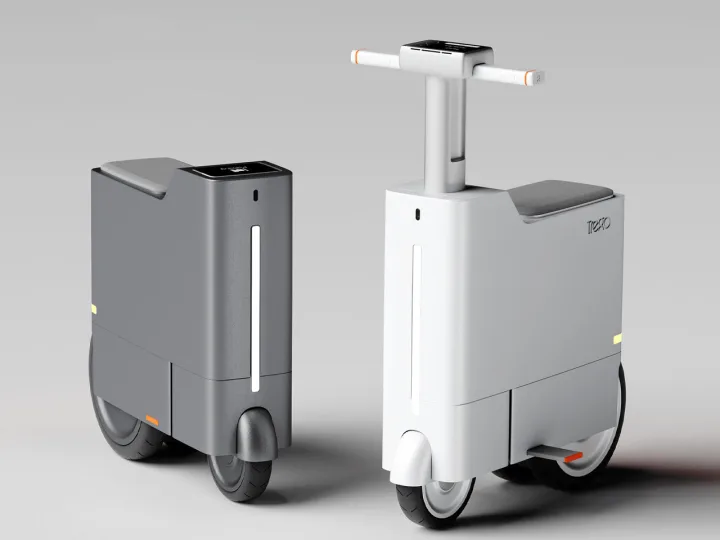
Form direction, CMF, use-flow and product experience decisions.
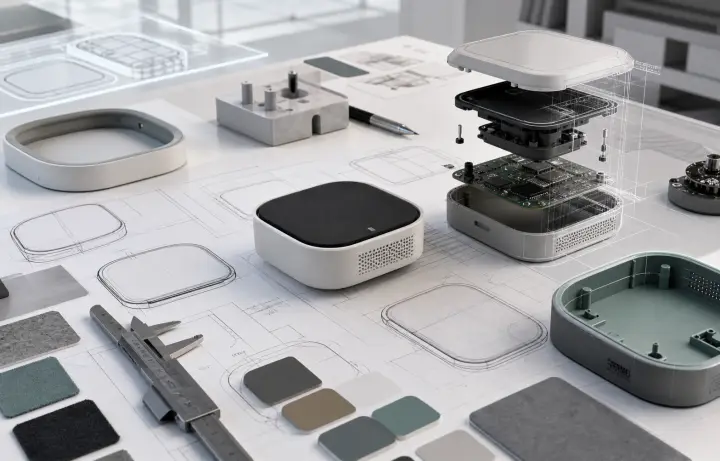
Mechanical structure, assembly logic, drawings and supplier handoff.
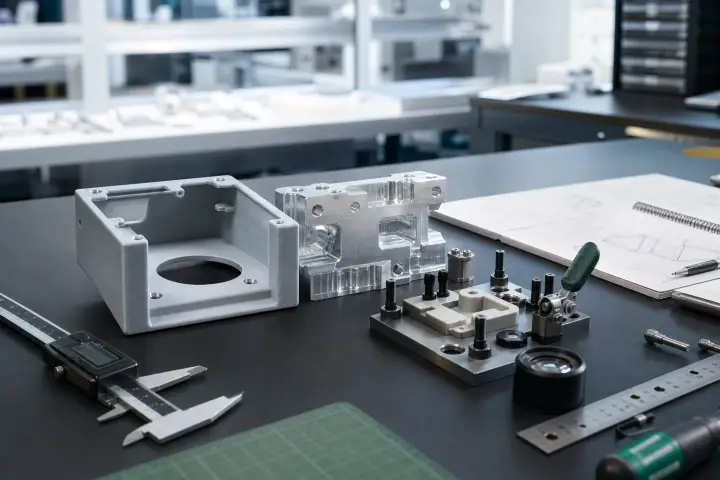
Sample route, inspection notes, fit/function checks and revisions.
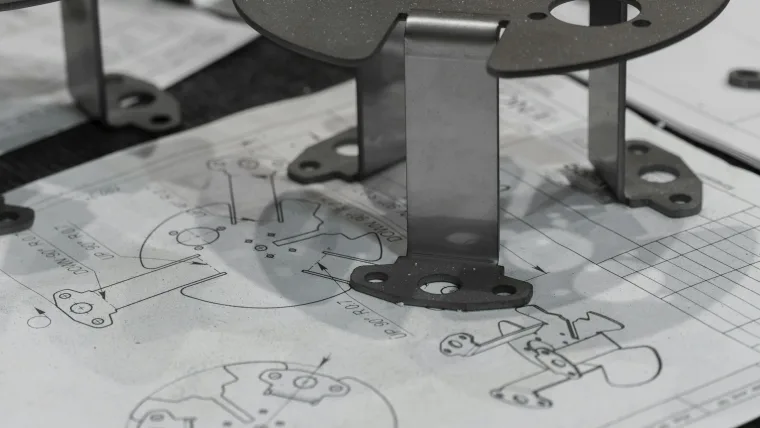
Material, draft, wall thickness, tooling risk and supplier questions.
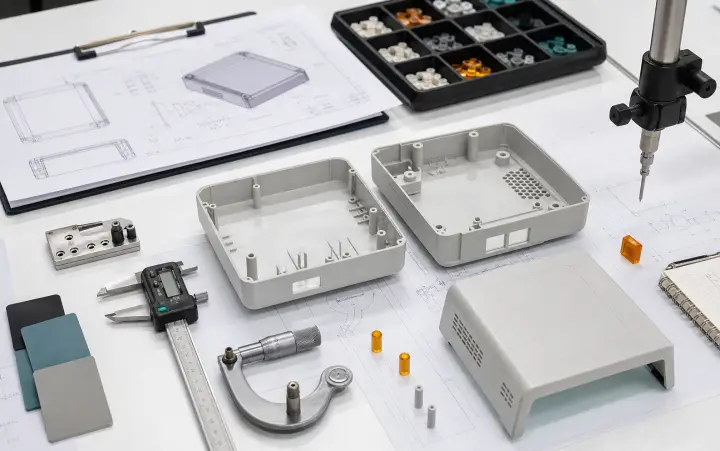
Sample approval gates, QC records and production follow-through.
The process is designed to make risk visible before your team spends on detailed engineering, samples, tooling or pilot production.
For physical products, expensive problems usually appear between concept approval, engineering files, prototype samples, tooling quotes and pilot production. The workflow keeps those tradeoffs visible before the next spend.
The goal is to prevent a beautiful concept from becoming an expensive, fragile or hard-to-source product.
| Gate | Approval focus | Typical output |
|---|---|---|
| Brief approval | Target user, product goal, constraints and assumptions. | Product brief, reference board, risk list. |
| Concept approval | Form direction, use flow, CMF and market fit. | Concept boards, renders, design rationale. |
| Engineering file approval | Assembly, structure, interfaces, materials and prototype readiness. | 3D models, drawings and exploded views. |
| Prototype approval | Fit, ergonomics, functional checks and revision list. | Photos, sample notes, test feedback. |
| DFM approval | Manufacturing method, cost drivers, tooling and QC risks. | DFM notes, supplier pack, checklist. |
The process creates files and notes that support quoting, sampling and production decisions.
Goals, users, features, constraints, market notes and success criteria.
3D models, assembly logic, dimensions and production-facing notes.
Sample method, inspection findings, revision log and next-step recommendations.
Material, draft, wall thickness, ribs, fasteners, tooling and QC risks.
Files, images, specs and questions needed for supplier quoting.
Sample approval notes, defects, revisions and production follow-through records.