Broad fit first, sensitive files later
You can start with product type, stage and safe context. Detailed product files, supplier details and confidential notes can wait until NDA terms are agreed.
See how different hardware projects move from unclear requirements to design, prototype, DFM or supplier-ready next steps.
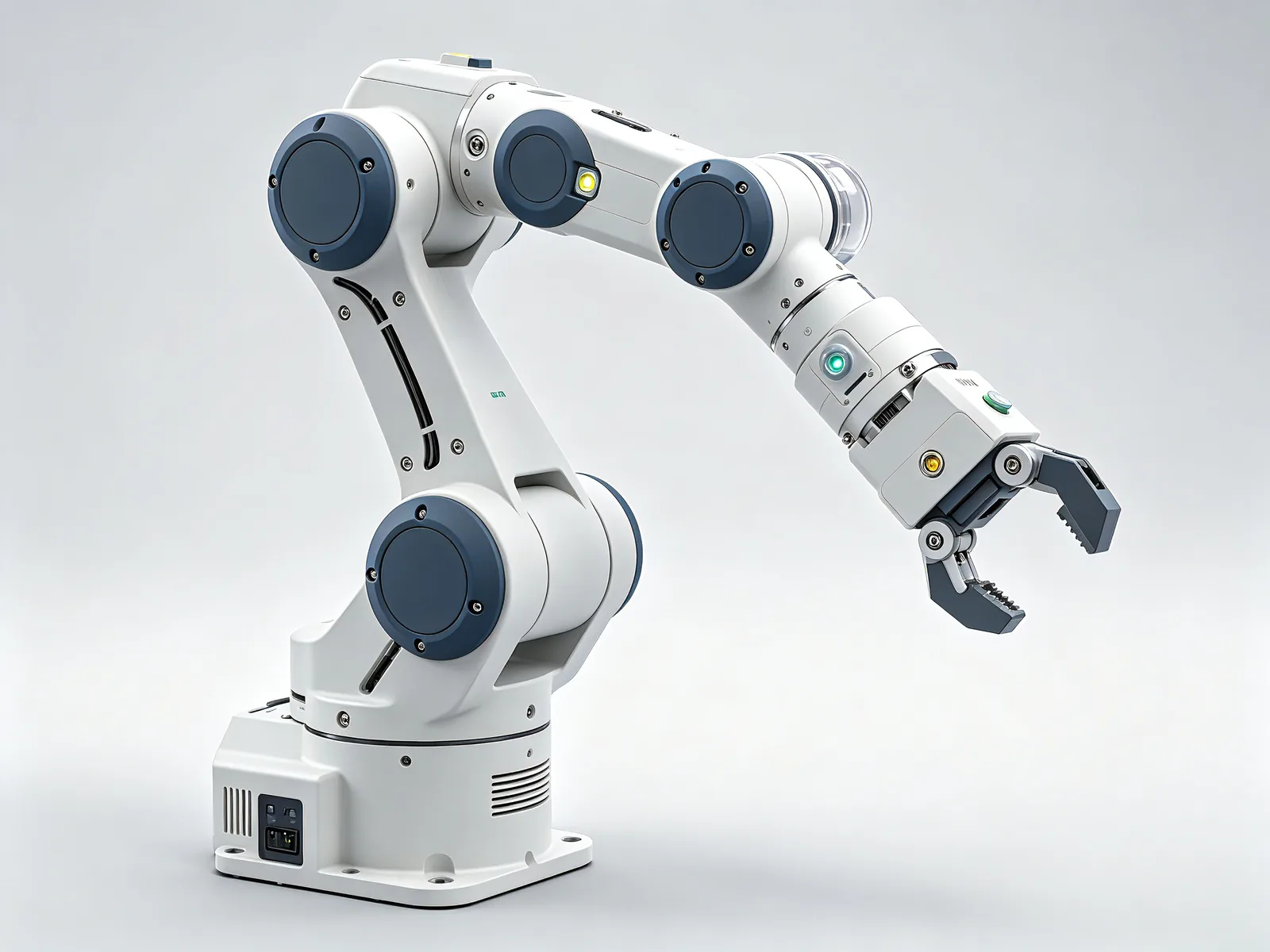
Every case below touches one or more of these project stages: enclosure design, prototype planning, DFM or supplier sample review. Use the product-type filter further down this page to browse by industry instead.
Client names and confidential details are removed, but each example still explains the project challenge, work completed and useful takeaways.
You can start with product type, stage and safe context. Detailed product files, supplier details and confidential notes can wait until NDA terms are agreed.
IP assignment, editable-file ownership, manufacturing rights and usage limits should be written into the project agreement before deeper work starts.
The review goal is a practical development path: what to review, what to prepare and whether the next step should be design, prototype, DFM or supplier follow-through.
Project intake is structured for international teams while supplier, sample and production-follow-up questions can be handled close to the manufacturing base.
A useful case should show more than a polished render. It should explain inputs, design work, prototype checks and manufacturing preparation.

Brief, references, constraints and current files are mapped before scope is recommended.
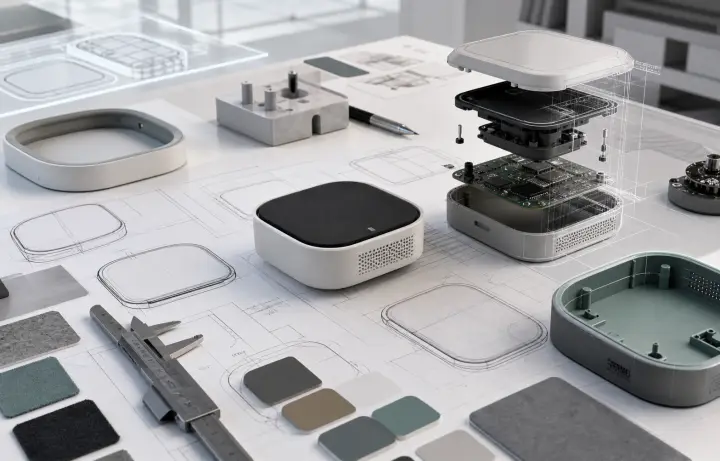
3D structure, assembly logic and exploded views make supplier handoff easier to review.
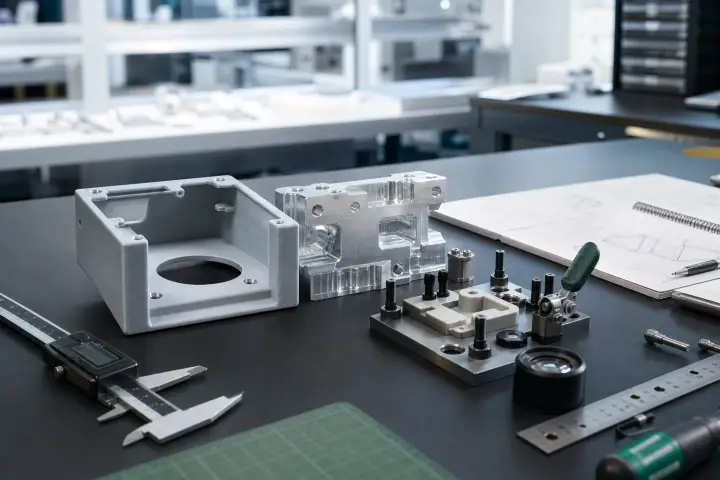
Sample route, fit checks and revision notes show what the next prototype should prove.
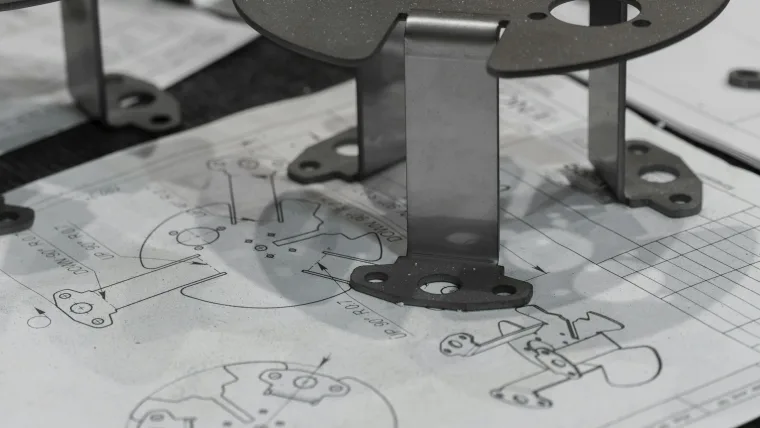
DFM notes, supplier questions and pilot gates reduce late surprises before tooling or launch.
Start with the case that feels closest to your product stage or industry.
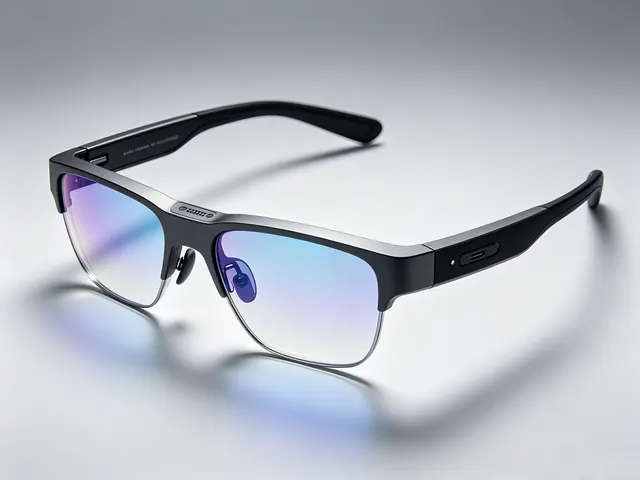
Challenge: Fitting a camera, battery, speaker and antenna into a slim temple could easily push weight, balance or heat into an uncomfortable range.
Work shown: Frame and temple architecture map for battery, PCB, speaker and camera placement.
View this case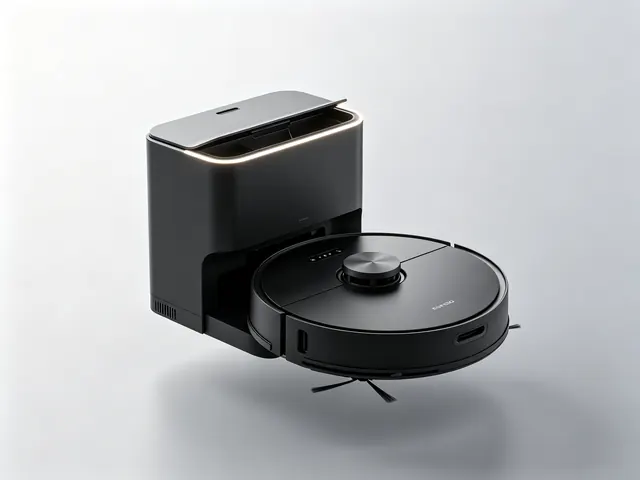
Challenge: A dock built purely around the blower and bag geometry could end up bulky, noisy-looking or hard to service.
Work shown: Dock architecture map for blower, dust bag, charging contacts and cable routing.
View this case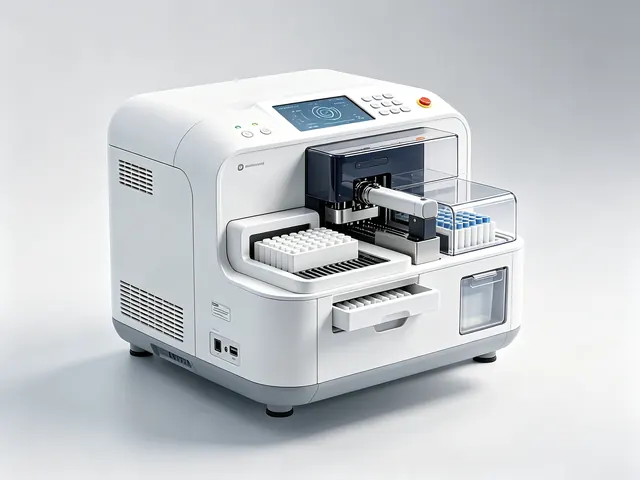
Challenge: A styling-first enclosure could complicate cleaning, service access, cable management or the validation work that follows.
Work shown: Instrument architecture map for fluidics, optics, touchscreen and service access.
View this case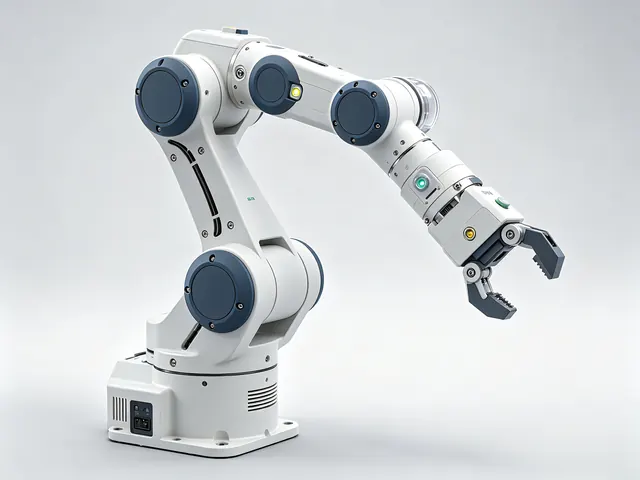
Challenge: Covers built only around motor housings could create pinch points, block cable routing or complicate joint maintenance.
Work shown: Arm and joint architecture map for motors, cabling, sensors and service access.
View this case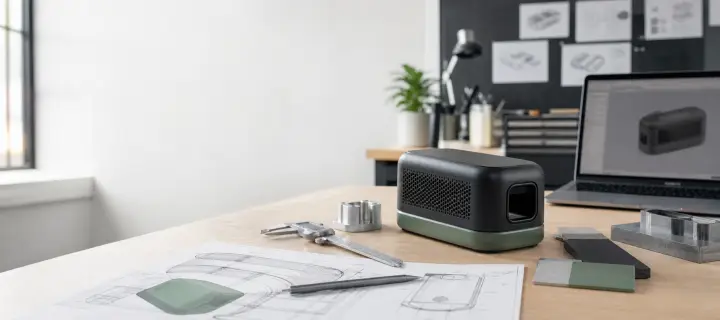
Challenge: A cosmetic-only refresh could ignore chamber access, static buildup and heat clearance around the motor, creating field-service or safety issues later.
Work shown: Housing architecture map for bean hopper, grind chamber, motor and vent placement.
View this caseChallenge: A housing built only around the motor footprint could create hot spots near the grip, unbalanced weight distribution or a battery interface that does not seat securely under vibration.
Work shown: Housing architecture map for motor, gearbox, battery interface and vent placement.
View this caseChallenge: A housing built only around the electronics footprint could create seam lines that trap moisture, an uncomfortable grip angle or a charging interface that compromises the water seal.
Work shown: Housing architecture map for roller head, motor, battery and charging port placement.
View this caseChallenge: A display built only around the product footprint could block logo visibility, make restocking slow for store staff or fail to stay upright on a crowded shelf.
Work shown: Display architecture map for brand header, front window, product stack and dispensing slot.
View this caseEach example is written so you can quickly understand the problem, the work completed and whether the same path fits your product.
The product issue or development question the team needed to solve.
The design, engineering, prototype, DFM or supplier-review work included.
What a similar team should prepare before requesting a review.