Work shown
Deliverable 01
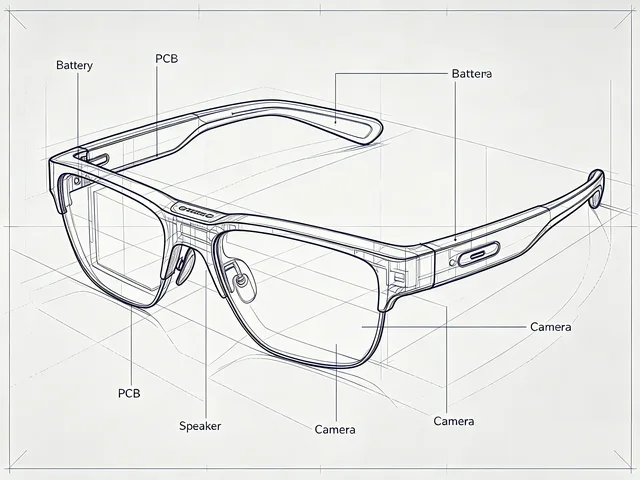
Frame and temple architecture map for battery, PCB, speaker and camera placement.
A wearable electronics team needed a frame and temple design that could hide a camera, battery, speaker and PCB stack inside a shape people would actually wear all day.
This case sits in the Smart Device & IoT Enclosures product type. Visit that page to confirm category fit before requesting a review.
Each theme maps to a common product-development decision: whether to fund engineering files, prototype, tooling, supplier sampling or pilot approval.
Wearable hardware teams need a frame that reads as fashion-forward while still hiding electronics, weight and heat.
wearable device industrial design, smart glasses enclosure design, AI wearable hardware design.
Top-heavy balance, blocked camera or antenna lines, uncomfortable temple pressure and styling-only concepts.
Review a wearable electronics concept before prototype or supplier quoting.
Use this section to understand what changed through the project before comparing visuals.
| Project stage | What happened | Why it matters |
|---|---|---|
| Challenge | The team had a rough concept sketch, a reference PCB stack and a target weight, but no validated frame geometry or hinge structure. | Clarifies why the team could not simply approve the next spend. |
| Main concern | Fitting a camera, battery, speaker and antenna into a slim temple could easily push weight, balance or heat into an uncomfortable range. | Shows the commercial or technical issue behind the project. |
| Approach | Balance frame form, hinge mechanism, component placement and weight distribution before committing to a wearable prototype build. | Explains how form, structure, prototype route and supplier questions were connected. |
| Work completed | Frame and temple architecture map for battery, PCB, speaker and camera placement. Hinge and fit study across face-width variants. | Makes the case more useful than a finished image alone. |
| Result | Clarified a wearable-ready frame direction before detailed mechanical engineering spend. Reduced the risk of a top-heavy or uncomfortable first prototype. | Helps similar teams judge whether the same path fits their product stage. |
A useful example should show more than a finished image: inputs, structure, prototype notes and production preparation all matter.
Frame and temple architecture map for battery, PCB, speaker and camera placement.
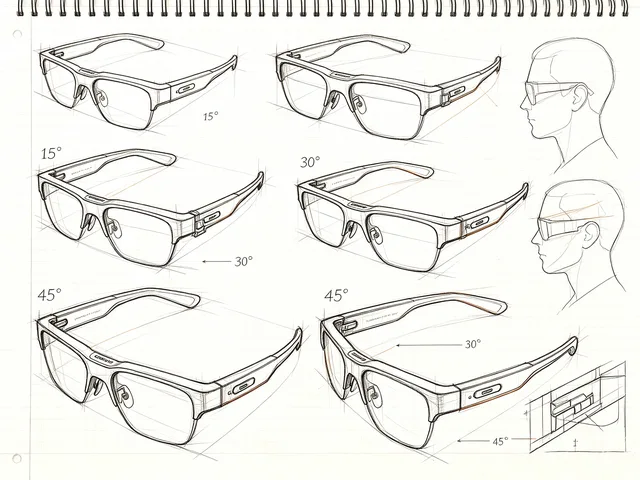
Hinge and fit study across face-width variants.
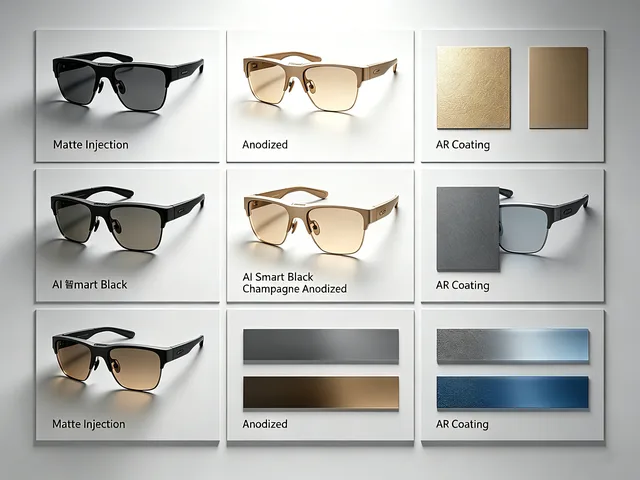
CMF direction for frame color, lens tint and texture finish.
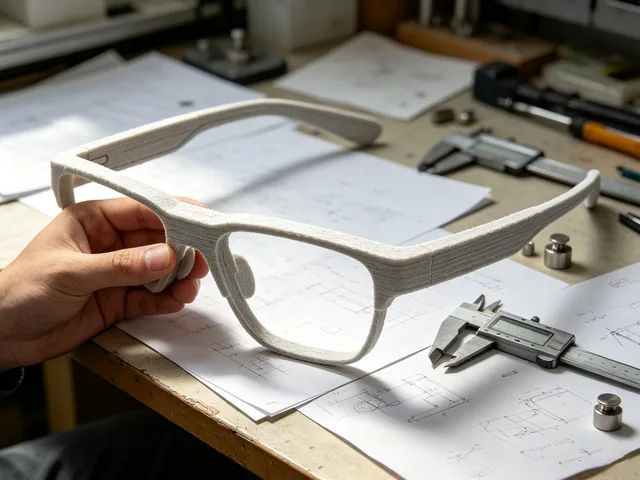
Prototype notes for wearable comfort and balance validation.
A useful case explains the project situation, not only the final visual.
The team had a rough concept sketch, a reference PCB stack and a target weight, but no validated frame geometry or hinge structure.
Fitting a camera, battery, speaker and antenna into a slim temple could easily push weight, balance or heat into an uncomfortable range.
Balance frame form, hinge mechanism, component placement and weight distribution before committing to a wearable prototype build.
Case pages separate inputs, completed work and approval gate so your team can judge whether a similar engagement fits your stage.
Product goal, current files, target user, constraints, references and supplier or prototype context when available.
Form, structure, 3D files, prototype, DFM or supplier-review outputs tied to the decision being made.
A practical next decision: fund engineering files, build prototype, revise before tooling, ask supplier questions or approve pilot conditions.
A strong industrial design case includes visual and technical outputs across form, structure, prototype and manufacturing preparation.
These client-safe outputs show the kind of project progress you should expect.
The first review gets faster when you can share the few details that define your current stage.