Use case
Who uses it, where it is used and what must feel intuitive.
Plastic housings, sensor products and connected devices where electronics, heat, assembly and appearance must align.
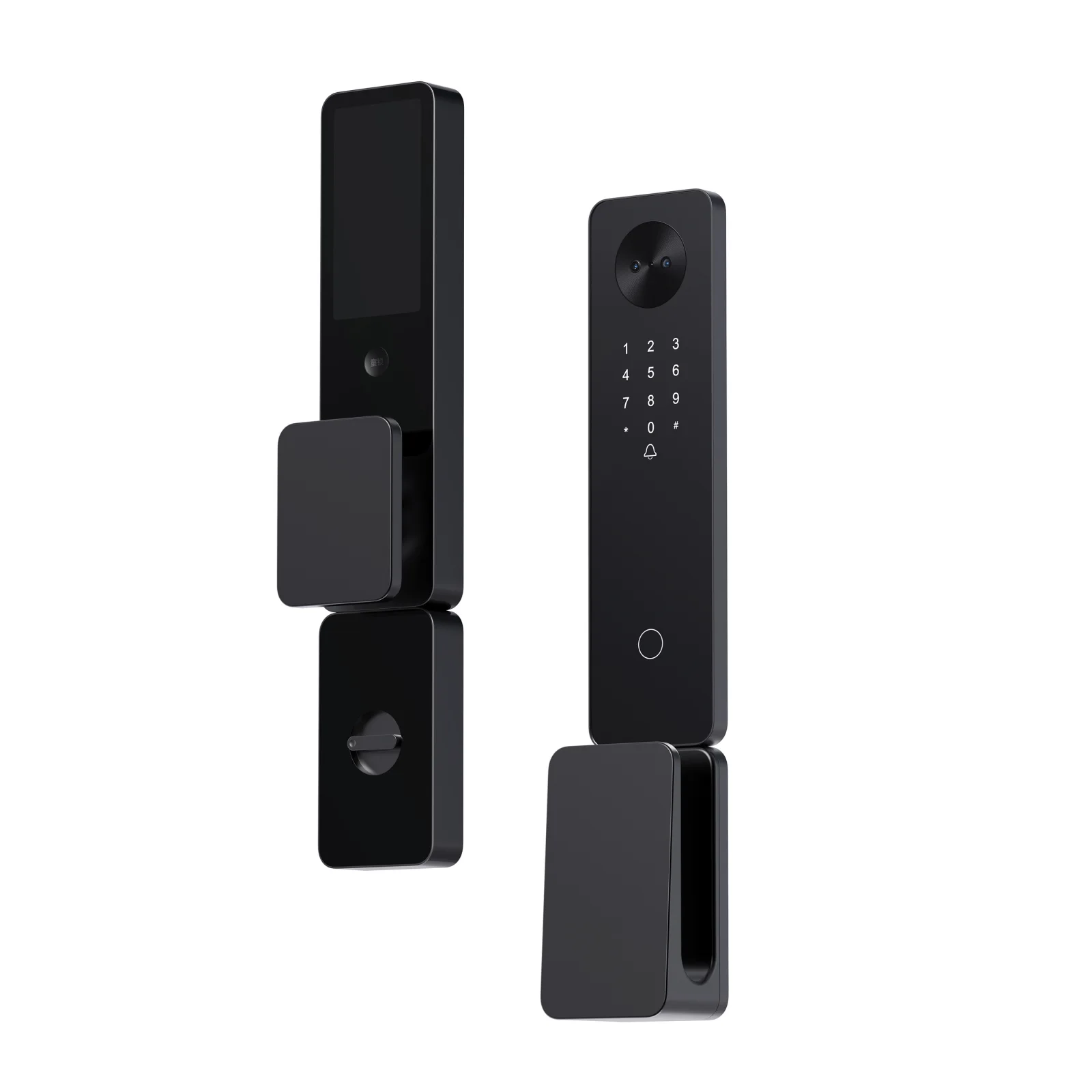
Product context changes the right design depth, prototype route and production-readiness path.
Who uses it, where it is used and what must feel intuitive.
Size, electronics, environment, cleaning, durability or portability needs.
Prototype goal, pilot volume, sales channel and budget expectations.
Most projects combine more than one stage once the first review clarifies risk.
Form, usability, CMF and user experience direction.
Assembly, internal structure, materials and prototype-ready files.
Manufacturing constraints, tooling risk and pilot sample readiness.
Product type pages confirm fit. Case studies show how design, prototype, DFM or supplier follow-through becomes real.
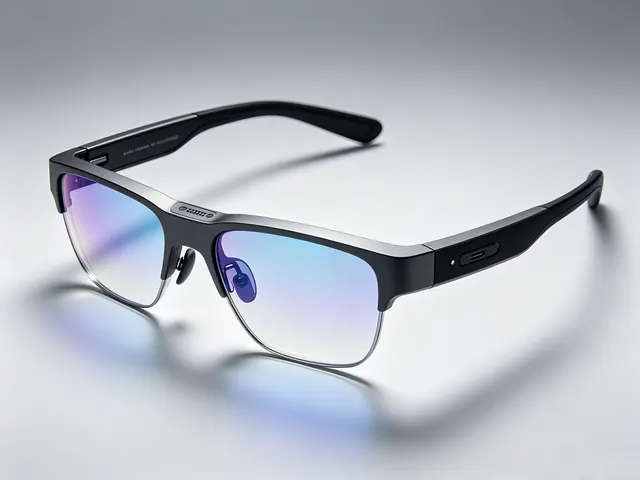
Challenge: Fitting a camera, battery, speaker and antenna into a slim temple could easily push weight, balance or heat into an uncomfortable range.
Work shown: Frame and temple architecture map for battery, PCB, speaker and camera placement.
View this case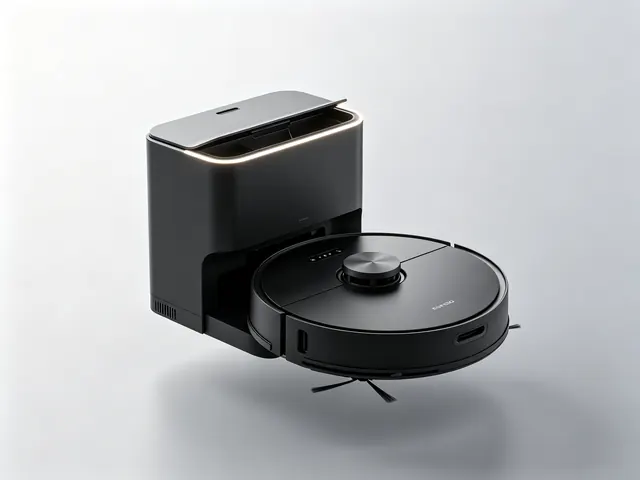
Challenge: A dock built purely around the blower and bag geometry could end up bulky, noisy-looking or hard to service.
Work shown: Dock architecture map for blower, dust bag, charging contacts and cable routing.
View this caseIncomplete information is acceptable, but these details improve the first reply.