Who it helps
Hardware startups, product founders, product managers and sourcing teams that need a clearer path from idea or sample to production-ready decisions.
Choose the service path that matches your current stage, from product strategy to production follow-through.
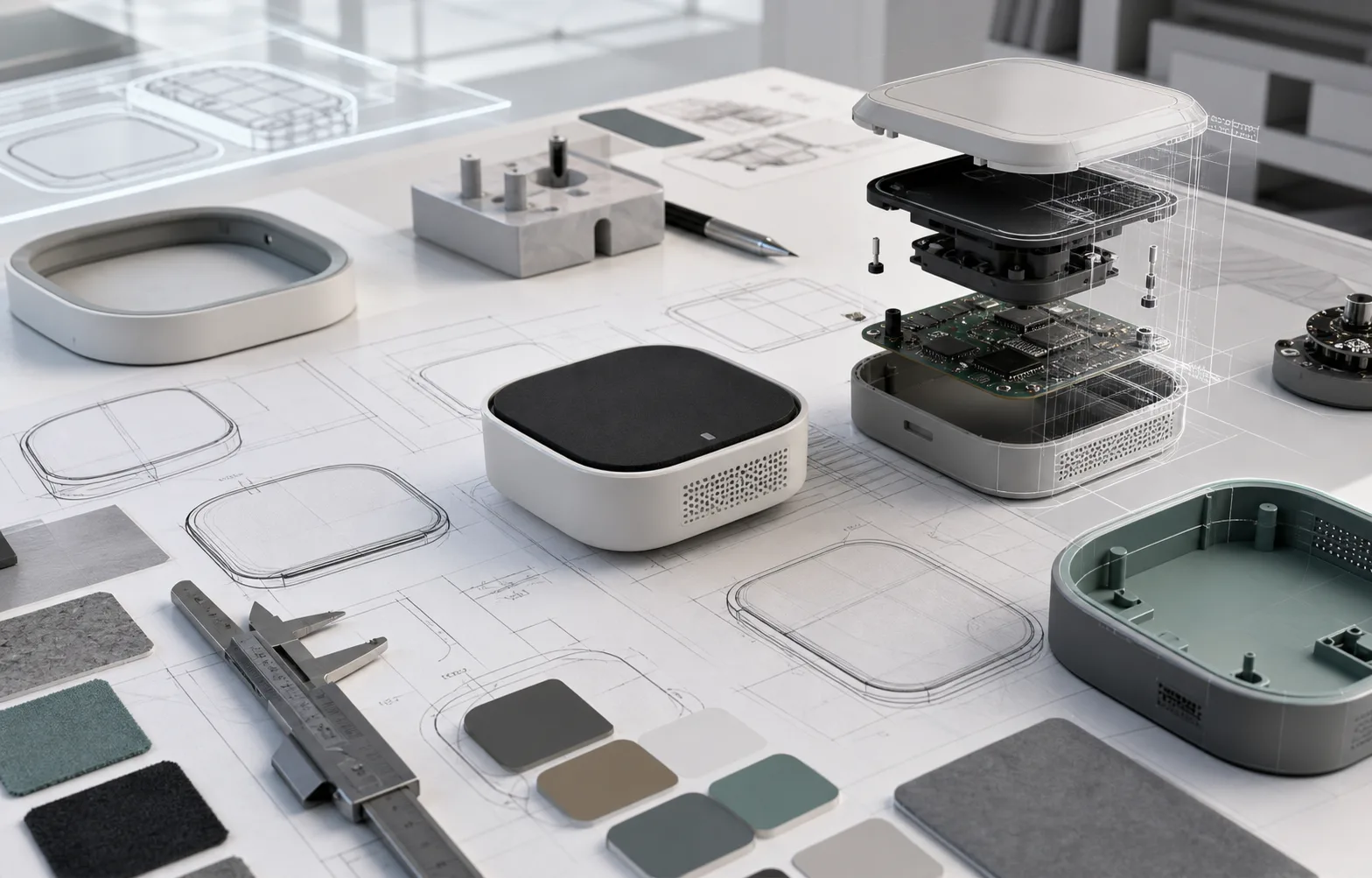
Start with product type, current stage and email. Sketches, reference images, 3D files or supplier notes can be added after fit is confirmed.
Sketches, 3D files and technical references can be added later if the project fits.
Use this summary when you need to decide whether the project is ready for strategy, design, prototype, DFM or supplier follow-through.
Hardware startups, product founders, product managers and sourcing teams that need a clearer path from idea or sample to production-ready decisions.
Industrial design, prototype planning, engineering-file support, DFM review, supplier sample review and manufacturing follow-through.
Share product type, current stage, target market and safe project context. Detailed files can wait until fit and NDA terms are clear.
A service inquiry works better when the current decision is clear before detailed files or supplier context are shared.
FormReady fits physical-product teams that need design, prototype, DFM or supplier sample decisions before larger manufacturing spend.
Start with product type, current stage, target market, safe context and the next decision blocking progress.
The first reply points to the smallest useful path: feasibility, industrial design, engineering files, prototype, DFM or supplier follow-through.
FormReady is a service partner for physical-product development, not a CAD software vendor or online design platform.
Serious teams need to see more than service names. These project materials show the kinds of inputs and outputs behind the work.

Brief, references, constraints and current files are mapped before scope is recommended.
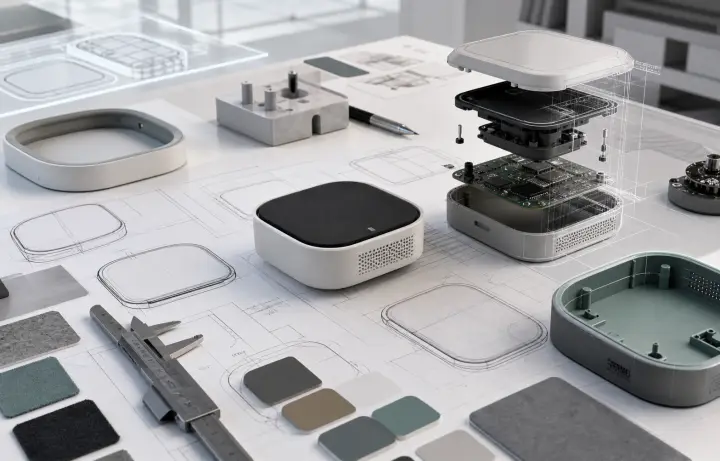
3D structure, assembly logic and exploded views make supplier handoff easier to review.
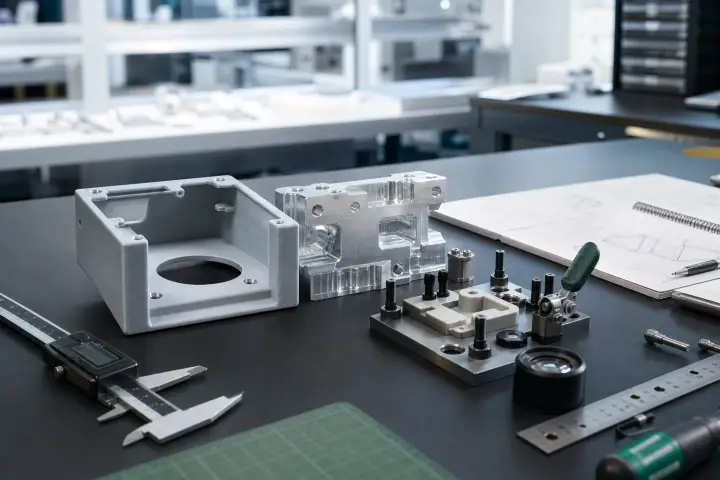
Sample route, fit checks and revision notes show what the next prototype should prove.
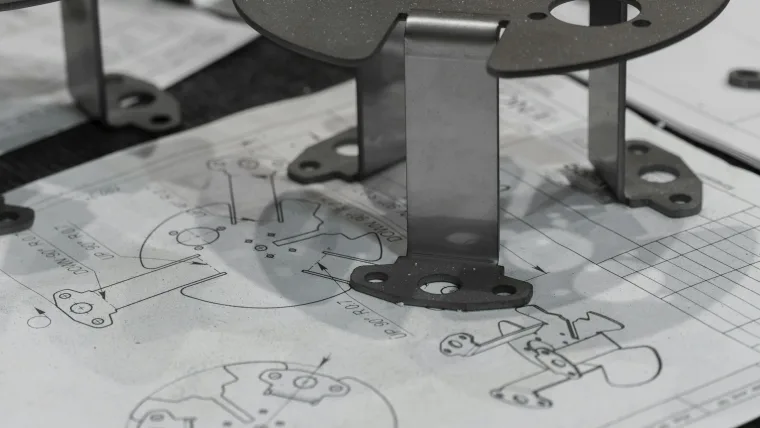
DFM notes, supplier questions and pilot gates reduce late surprises before tooling or launch.
The same product may need strategy, industrial design, engineering files, prototype, DFM or supplier support depending on what is risky now.
Clarify product goal, users, constraints and the smallest useful first development step.
Request idea review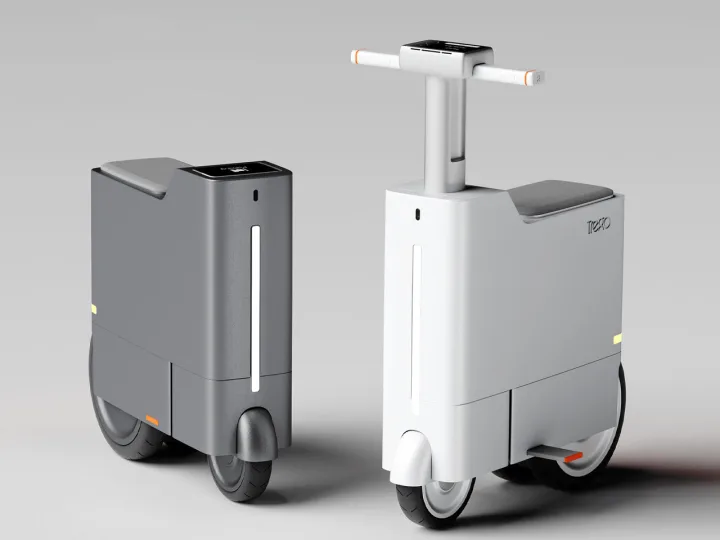
Turn market, use-flow and brand requirements into a practical concept path.
Request concept reviewReview structure, assembly logic, tolerances and supplier handoff risk before more spend.
Request file reviewChoose the prototype route that proves fit, feel, function or production intent.
Request prototype pathFind wall thickness, draft, ribs, bosses, material and quote-assumption risks early.
Request DFM review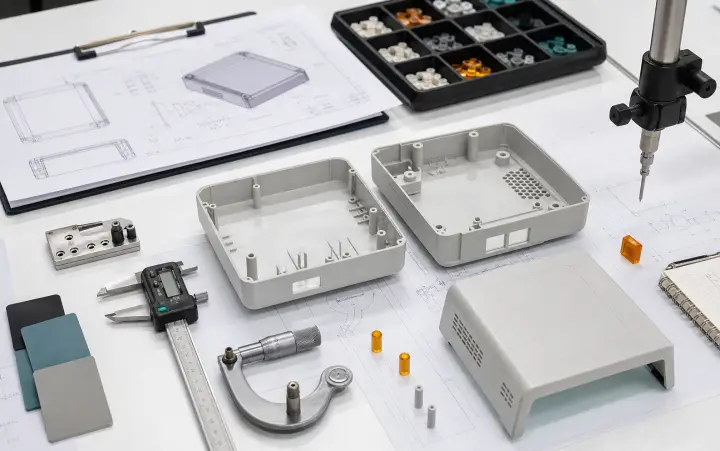
Turn sample defects, revision notes and pilot approval questions into clear gates.
Request sample reviewEach service page explains inputs, outputs and the decisions it helps a hardware team make.
Clarify users, product requirements, constraints, cost targets and development risk before committing to detailed engineering or tooling.
Turn market, user and brand requirements into practical product concepts that can move into engineering.
Build production-minded mechanical structure around assembly, electronics, materials, tolerances, fasteners and manufacturing method.
Coordinate prototype routes such as 3D printing, CNC, silicone molding and functional sample testing.
Review designs for injection molding, CNC, sheet metal, electronics assembly, cost drivers and production risks.
Help coordinate supplier inputs, sample revisions, pilot runs and QC records so design intent survives production.
A stronger service page helps you see the difference between design direction, engineering files, prototype learning and manufacturing readiness.
Industrial DesignForm, proportion, use-flow and CMF direction that can move into engineering.
Engineering DesignProduction-minded mechanical structure for enclosures, assemblies and supplier handoff.
Prototype DevelopmentPrototype routes selected around the decision the team must prove next.
DFM ReviewManufacturing-readiness checks before tooling, quoting or pilot approval.
Supplier Follow-ThroughSample, revision and pilot tracking so design intent survives production.
The first reply should clarify the starting workstream before your team commits deeper files, budget or supplier decisions.
The first step is designed to protect sensitive information, clarify the next decision and avoid unnecessary scope before risk is understood.
Start with product type, stage and safe context. Detailed files can wait until fit and NDA terms are clear.
The first reply focuses on the next decision, likely blockers and the smallest useful engagement instead of forcing a full project.
Concept, engineering files, prototype, DFM and supplier sample work each have clear outputs your team can review.
Design intent is connected to supplier questions, sample notes, QC checks and pilot-run decisions.
This is the part a serious team needs before submitting files: privacy, ownership, response path and production follow-through expectations.
You can start with product type, stage and safe context. Detailed product files, supplier details and confidential notes can wait until NDA terms are agreed.
IP assignment, editable-file ownership, manufacturing rights and usage limits should be written into the project agreement before deeper work starts.
The review goal is a practical development path: what to review, what to prepare and whether the next step should be design, prototype, DFM or supplier follow-through.
Project intake is structured for international teams while supplier, sample and production-follow-up questions can be handled close to the manufacturing base.
Early work should identify unknowns before the project commits to expensive engineering work, samples or tooling.
Best when the idea is clear enough to explore, but not ready for detailed engineering.
Best when form direction is approved and the next decision is prototype-ready structure.
Best when the team needs sample learning before pitching, testing or supplier quoting.
Best before tooling deposits, supplier lock or pilot approval.
A 1-2 week review of product direction, risks, prototype path and development roadmap.
Industrial design concepts, CMF direction and presentation assets for the chosen route.
Engineering-file support, prototype coordination, sample checks and revision notes for physical validation.
DFM, supplier pack, pilot sample review and production follow-through support.