Work shown
Deliverable 01
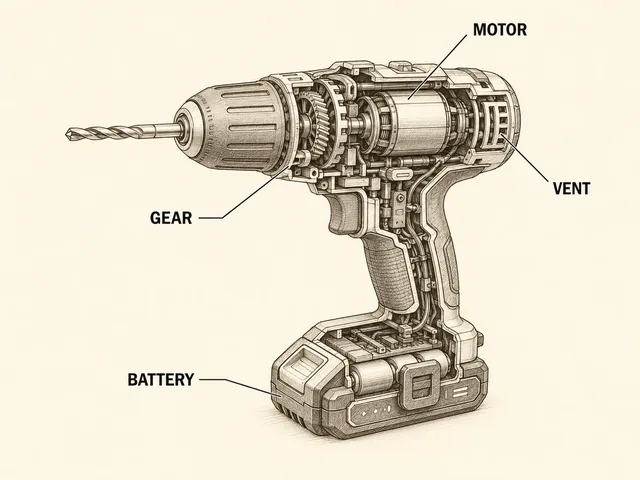
Housing architecture map for motor, gearbox, battery interface and vent placement.
A tool manufacturer needed a cordless power tool housing that could protect the motor and battery interface while feeling comfortable through extended one-handed use.
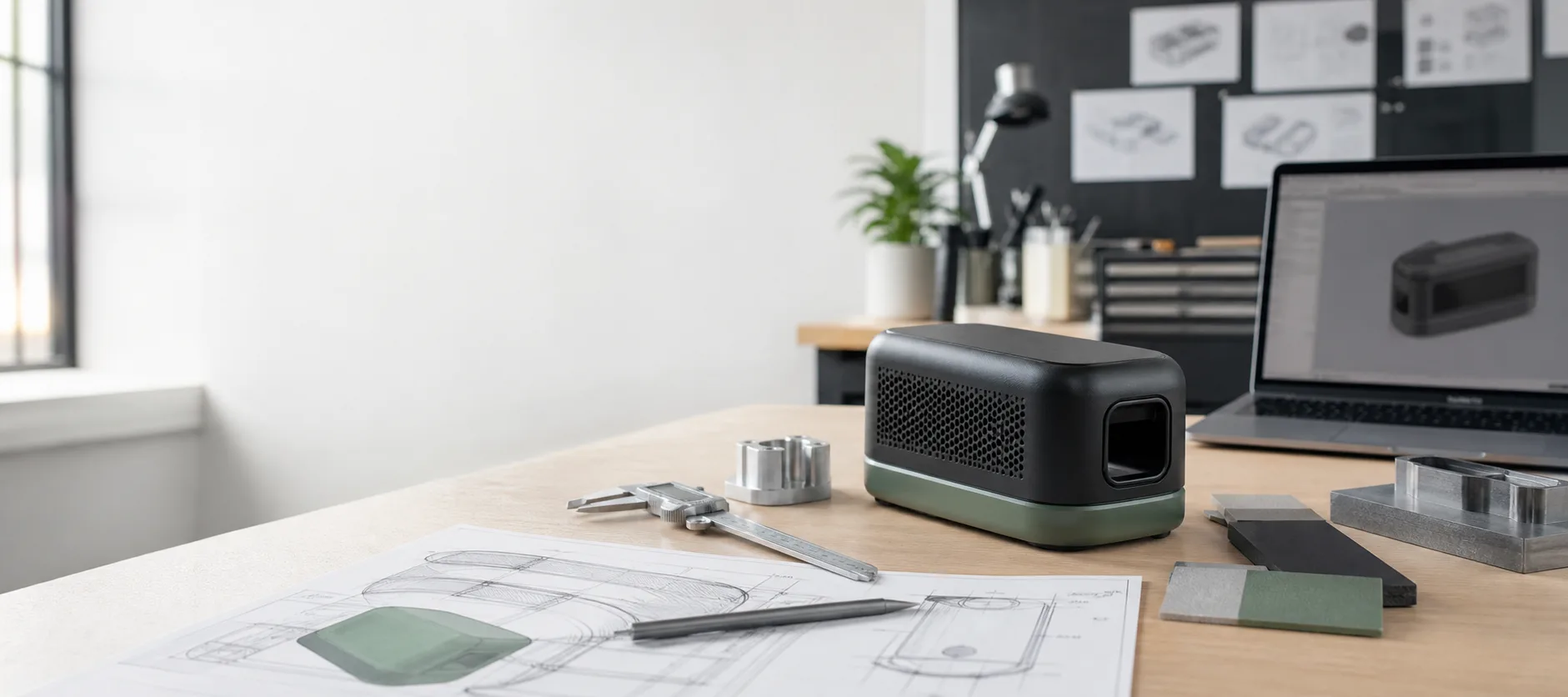
This case sits in the Tools, Equipment & Housings product type. Visit that page to confirm category fit before requesting a review.
Each theme maps to a common product-development decision: whether to fund engineering files, prototype, tooling, supplier sampling or pilot approval.
Tool manufacturers need a housing that survives jobsite drops and extended use without losing grip comfort or battery reliability.
power tool housing design, handheld tool enclosure design, cordless tool CMF direction.
Grip discomfort, heat buildup near the hand, unstable battery seating and a nose-heavy balance point.
Review a handheld tool housing before prototype or tooling.
Use this section to understand what changed through the project before comparing visuals.
| Project stage | What happened | Why it matters |
|---|---|---|
| Challenge | The team had a validated motor, gearbox and battery-interface platform, but no housing direction that balanced grip comfort, heat venting and drop durability. | Clarifies why the team could not simply approve the next spend. |
| Main concern | A housing built only around the motor footprint could create hot spots near the grip, unbalanced weight distribution or a battery interface that does not seat securely under vibration. | Shows the commercial or technical issue behind the project. |
| Approach | Align grip geometry, vent placement, weight distribution and battery-interface tolerance before committing to tooling. | Explains how form, structure, prototype route and supplier questions were connected. |
| Work completed | Housing architecture map for motor, gearbox, battery interface and vent placement. Exploded view separating the cosmetic grip shell from the serviceable motor and gearbox block. | Makes the case more useful than a finished image alone. |
| Result | Clarified a comfortable, serviceable housing direction before deeper mechanical engineering investment. Reduced the risk of grip hot spots or an unstable battery interface. | Helps similar teams judge whether the same path fits their product stage. |
A useful example should show more than a finished image: inputs, structure, prototype notes and production preparation all matter.
Housing architecture map for motor, gearbox, battery interface and vent placement.
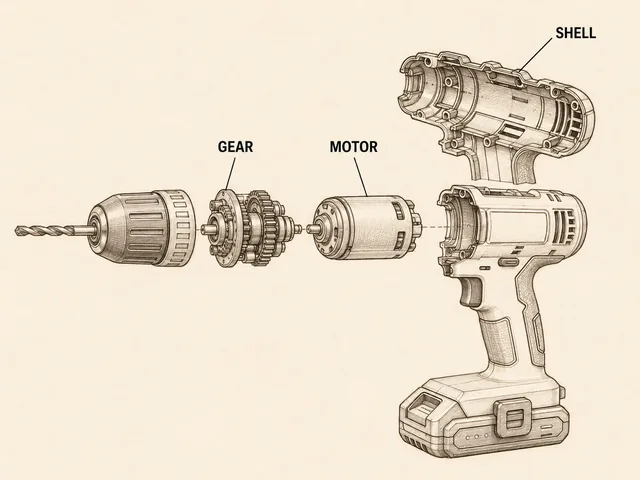
Exploded view separating the cosmetic grip shell from the serviceable motor and gearbox block.
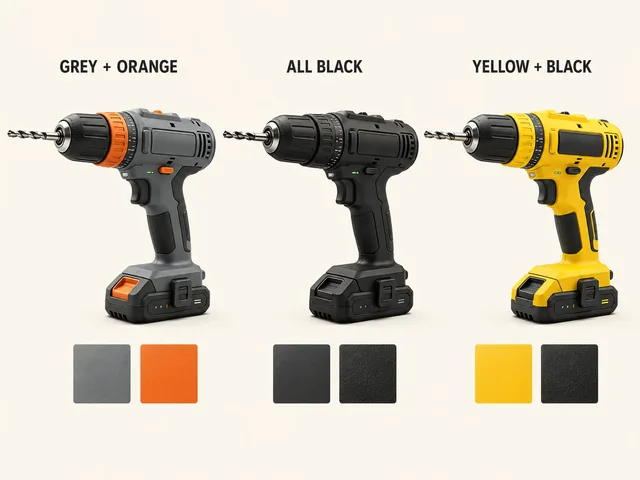
CMF direction across grey, all-black and safety-yellow jobsite finishes.
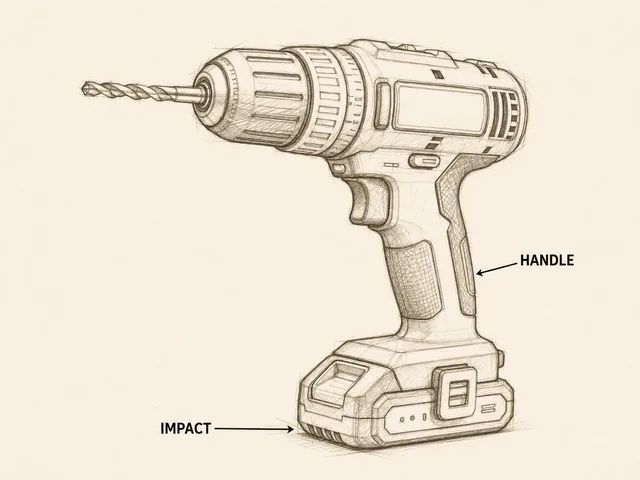
Prototype notes for grip comfort, balance and drop-durability validation.
A useful case explains the project situation, not only the final visual.
The team had a validated motor, gearbox and battery-interface platform, but no housing direction that balanced grip comfort, heat venting and drop durability.
A housing built only around the motor footprint could create hot spots near the grip, unbalanced weight distribution or a battery interface that does not seat securely under vibration.
Align grip geometry, vent placement, weight distribution and battery-interface tolerance before committing to tooling.
Case pages separate inputs, completed work and approval gate so your team can judge whether a similar engagement fits your stage.
Product goal, current files, target user, constraints, references and supplier or prototype context when available.
Form, structure, 3D files, prototype, DFM or supplier-review outputs tied to the decision being made.
A practical next decision: fund engineering files, build prototype, revise before tooling, ask supplier questions or approve pilot conditions.
A strong industrial design case includes visual and technical outputs across form, structure, prototype and manufacturing preparation.
These client-safe outputs show the kind of project progress you should expect.
The first review gets faster when you can share the few details that define your current stage.