Use case
Who uses it, where it is used and what must feel intuitive.
Handheld tools, fixtures, industrial housings and workshop products that need robust structures and practical production choices.
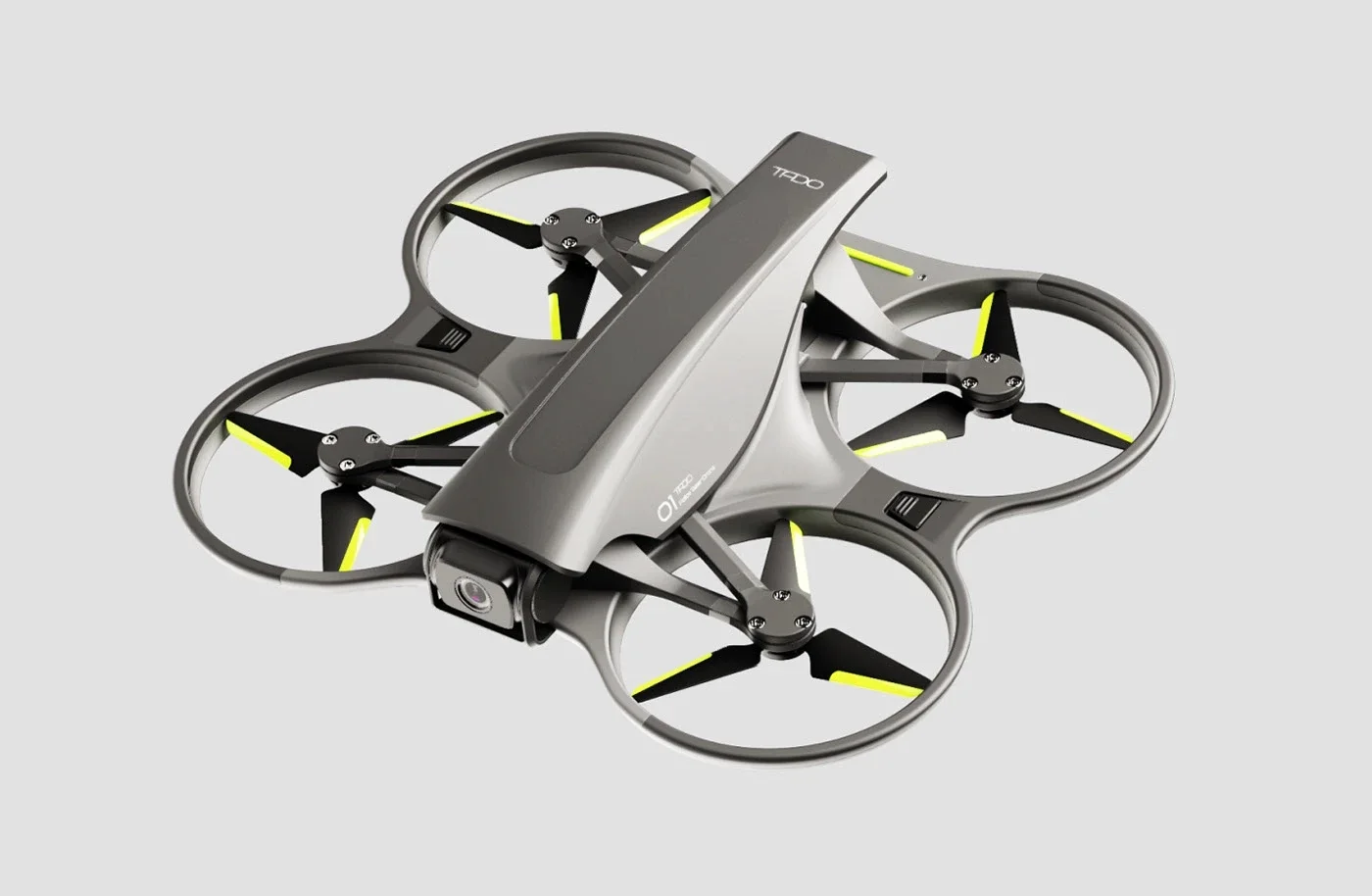
Product context changes the right design depth, prototype route and production-readiness path.
Who uses it, where it is used and what must feel intuitive.
Size, electronics, environment, cleaning, durability or portability needs.
Prototype goal, pilot volume, sales channel and budget expectations.
Most projects combine more than one stage once the first review clarifies risk.
Form, usability, CMF and user experience direction.
Assembly, internal structure, materials and prototype-ready files.
Manufacturing constraints, tooling risk and pilot sample readiness.
Product type pages confirm fit. Case studies show how design, prototype, DFM or supplier follow-through becomes real.
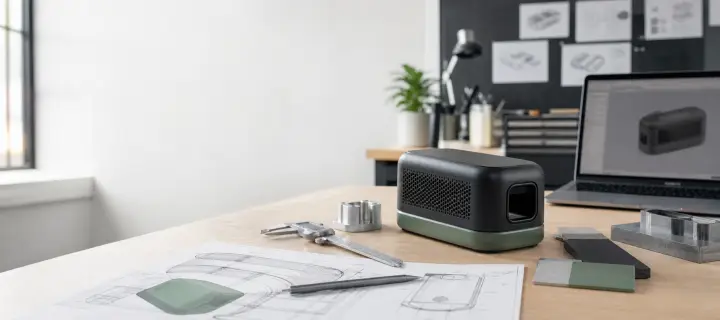
Challenge: A housing built only around the motor footprint could create hot spots near the grip, unbalanced weight distribution or a battery interface that does not seat securely under vibration.
Work shown: Housing architecture map for motor, gearbox, battery interface and vent placement.
View this caseIncomplete information is acceptable, but these details improve the first reply.