No sensitive files first
Start with product type, stage and safe context. Detailed files can wait until fit and NDA terms are clear.

Send product type, current stage, target market, budget range and available files. We will reply with the next practical design, prototype or DFM path.
The first review is intentionally narrow: enough context to identify fit, risk and the smallest useful next step without forcing a full project commitment.
The first review is designed to qualify fit, protect sensitive details and recommend a practical next step before your team commits deeper files or budget.
Start with product type, stage and safe context. Detailed files can wait until fit and NDA terms are clear.
The first reply focuses on the next decision, likely blockers and the smallest useful engagement instead of forcing a full project.
Concept, engineering files, prototype, DFM and supplier sample work each have clear outputs your team can review.
Design intent is connected to supplier questions, sample notes, QC checks and pilot-run decisions.
A good project form should reduce hesitation, not create it. These safeguards explain how early conversations, files and next steps are controlled.
Start with safe context first. NDA terms can be arranged before sensitive product files, supplier details or confidential notes are shared.
Design decisions are checked against structure, materials, assembly, prototype route and manufacturing constraints instead of stopping at appearance.
The first review can start from a sketch, reference product, rough brief or supplier sample issue. Complete engineering files are not required.
The reply recommends the smallest useful next step before larger spending on engineering, samples, tooling or pilot production.
The first reply should help you decide whether to start with strategy, concept design, engineering files, prototype, DFM or supplier sample review.

Clarify product goal, users, constraints and the smallest useful first development step.
Request idea review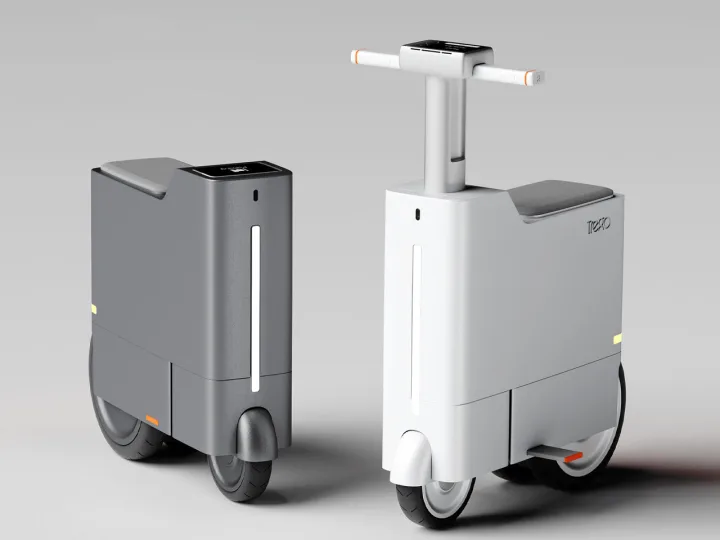
Turn market, use-flow and brand requirements into a practical concept path.
Request concept review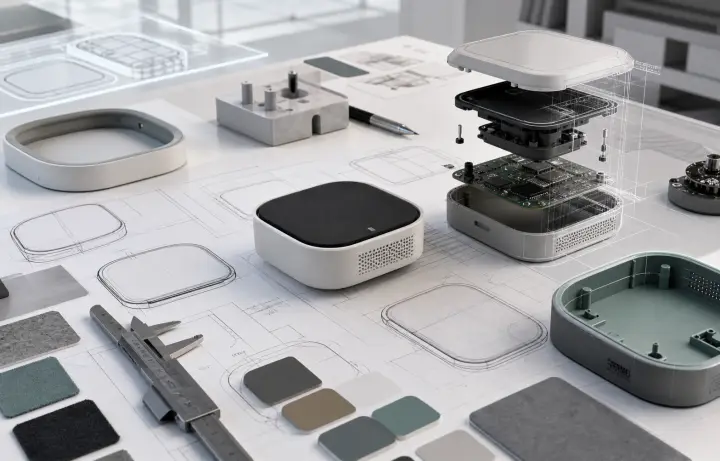
Review structure, assembly logic, tolerances and supplier handoff risk before more spend.
Request file review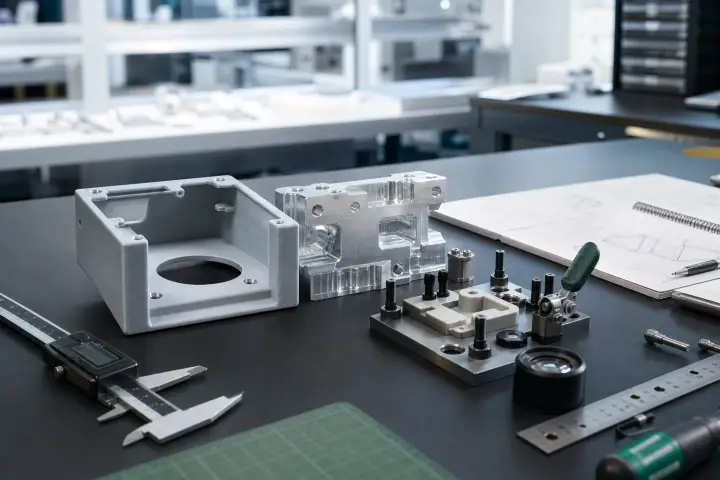
Choose the prototype route that proves fit, feel, function or production intent.
Request prototype path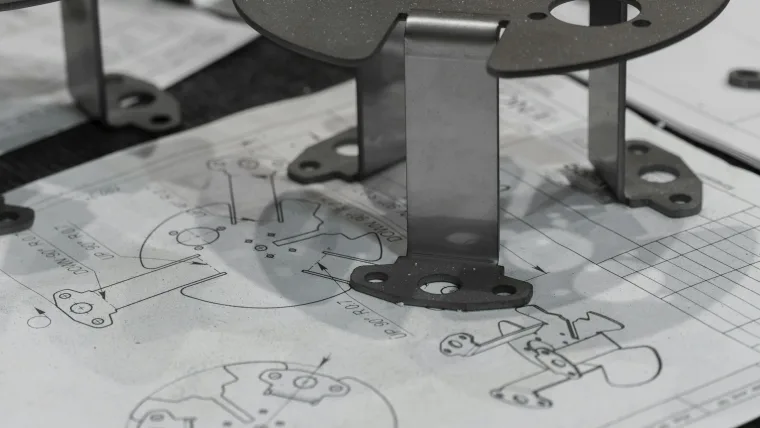
Find wall thickness, draft, ribs, bosses, material and quote-assumption risks early.
Request DFM review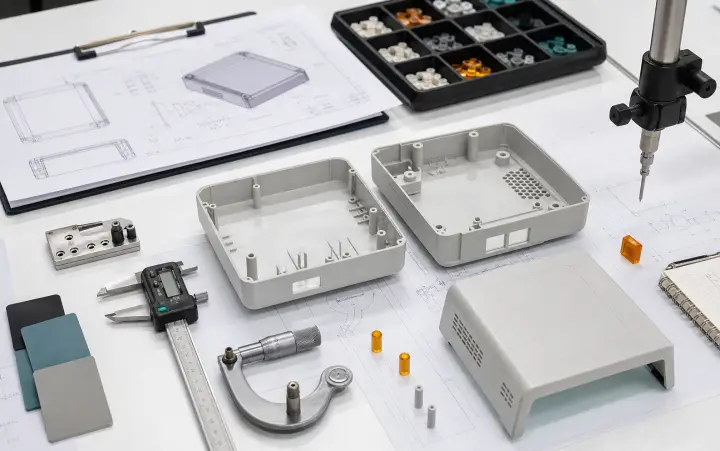
Turn sample defects, revision notes and pilot approval questions into clear gates.
Request sample reviewThe review is designed to qualify the stage and recommend a focused next step before asking for a full project scope.
Whether you are at an established company, a funded startup, working from a concept, or resolving a sourcing/supplier issue.
Unknowns around usability, structure, electronics, cost, tooling and timeline.
The smallest useful engagement before larger development spend.
Budget is used for fit and route planning, not to force a full quote before the project is understood.
Files are optional for the first review, but they make the reply more specific. Sensitive details can wait until NDA terms are agreed.
You do not need all of these to submit, but these are the kinds of materials that make the first reply more precise.
Target user, use case, constraints, open questions and success criteria.
Structure, assembly intent, dimensions, exploded views and supplier-ready references.
Sample method, inspection points, revision path and what the prototype must prove.
Wall, draft, material, tooling, supplier feedback and pilot approval notes.
Use the optional details inside the form above, or start with the three required fields and we will ask for the rest after fit is clear.