Use case
Who uses it, where it is used and what must feel intuitive.
Home, kitchen, lifestyle, outdoor and accessory products where form, usability, CMF and cost targets must work together.
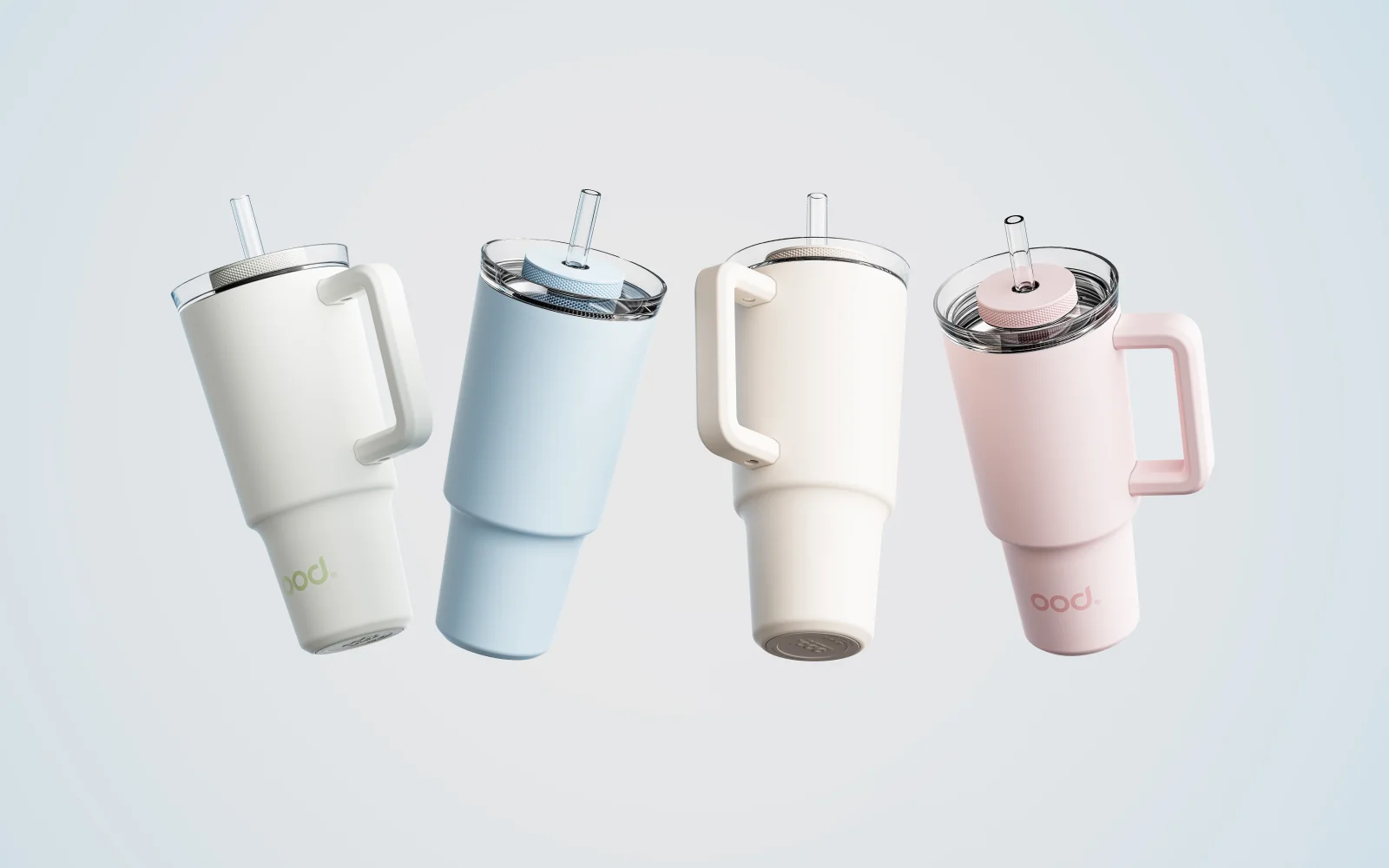
Product context changes the right design depth, prototype route and production-readiness path.
Who uses it, where it is used and what must feel intuitive.
Size, electronics, environment, cleaning, durability or portability needs.
Prototype goal, pilot volume, sales channel and budget expectations.
Most projects combine more than one stage once the first review clarifies risk.
Form, usability, CMF and user experience direction.
Assembly, internal structure, materials and prototype-ready files.
Manufacturing constraints, tooling risk and pilot sample readiness.
Product type pages confirm fit. Case studies show how design, prototype, DFM or supplier follow-through becomes real.
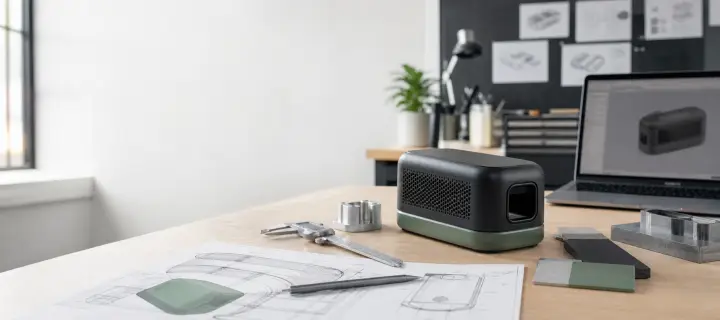
Challenge: A cosmetic-only refresh could ignore chamber access, static buildup and heat clearance around the motor, creating field-service or safety issues later.
Work shown: Housing architecture map for bean hopper, grind chamber, motor and vent placement.
View this caseRetail changes the brief: price, durability, safety rules and packaging become design constraints.
Consumer product design requirements: what changes when the product is sold at retail
Incomplete information is acceptable, but these details improve the first reply.